
Blog.
Notes from the One Motion team on direct drive, hygienic design, reliability and building better processing and packaging lines.
All posts.
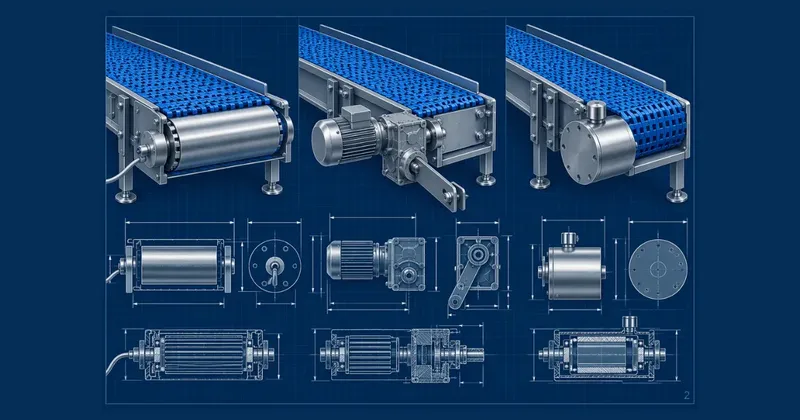
Drum Motor vs Gearmotor vs Direct Drive: Which Conveyor Drive Fits a Food Plant?
Gearmotors are easy to buy and service but add many external parts and an oil-filled gearbox. Drum motors hide the drive inside the pulley, but keep gears and usually oil in a sealed shell. Direct drive removes the gearbox entirely. For washdown food conveyors, direct drive gives the fewest wear parts, no oil and the widest speed range from one unit.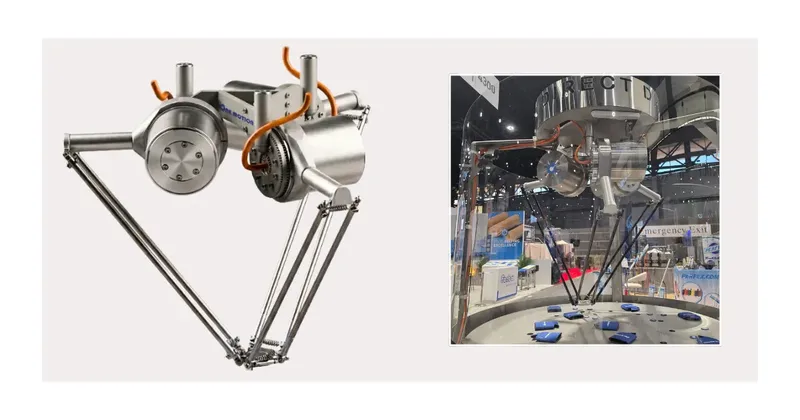
Direct-Drive Delta Robot: Why We Replaced the Servo and Gearbox at the Shoulder
In a conventional delta robot, each upper arm is swung by a high-speed servo driving through a precision gearbox. DeltaDrive replaces that shoulder with the One Motion Powered Hub, an outer-runner direct drive rated at 120 Nm peak torque. The upper arm bolts straight to the rotating shell, so there is no gearbox, no high-speed servo and no reduction stage.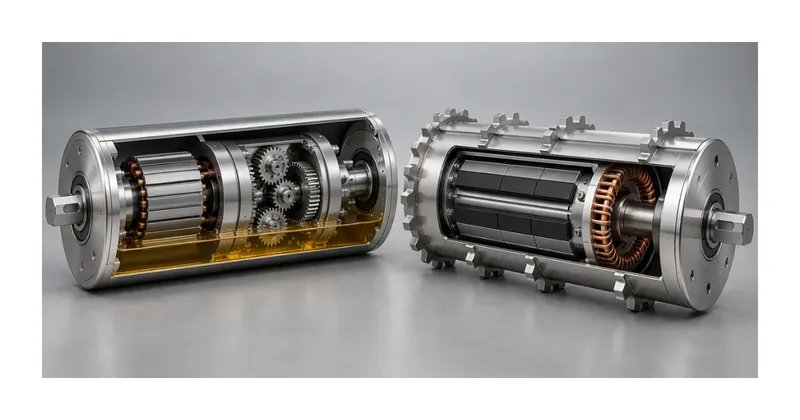
Standard Drum Motor vs Gearless Direct Drive: What Is Inside the Drum?
A standard drum motor packs an induction motor, a multi-stage gearbox and an oil bath inside a sealed pulley. The oil lubricates the gears and carries heat to the shell. In washdown, that heat and oil drive thermal breathing, leaks and frequent service. A gearless direct drive pulley like One Motion PulleyDrive makes torque directly at the shell, with no gears and no oil inside.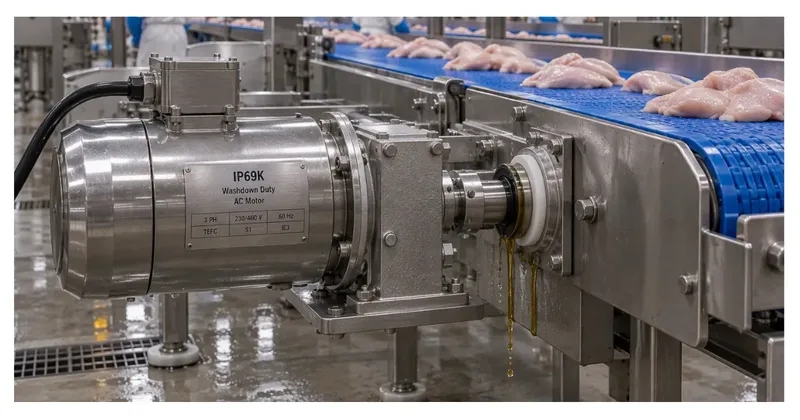
Does IP69K Mean a Motor Is Hygienic? Why Oil Has No Place Above Food
No. IP69K means an enclosure resisted high-pressure, high-temperature spray in a test. It does not make the design inside hygienic. An IP69K gearmotor still contains oil, gears and seals that wear, often mounted directly above exposed product. Truly hygienic drives remove the oil and gears altogether, so there is nothing inside that can leak onto food.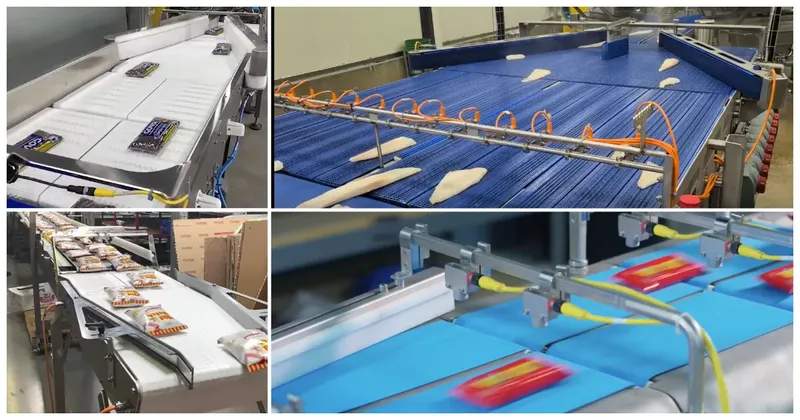
Do You Need Servos for Product Spacing and High-Speed Merges?
For most food processing merges, spacing and phasing jobs, you do not need servos. One Motion Multi-Drive and powered side belts use direct drive with standard VFDs, a PLC and photo-eyes to merge lanes, correct skew and control gaps. In real installations this approach doubled throughput, for example bagged product from 100 to 200 per minute.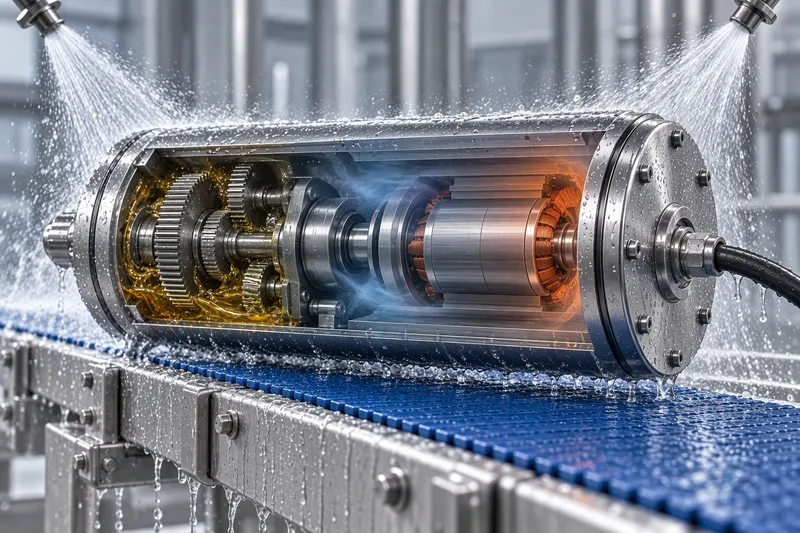
Why Do Drum Motors Fail in Washdown? (Thermal Breathing Explained)
Drum motors fail in washdown mainly because of thermal breathing. Their internal gears and oil generate heat during production, then cold washdown water cools the drum quickly and the pressure drop draws moisture past the seals. Over time that water mixes with the oil and attacks bearings and windings. PulleyDrive avoids this by having no gears and no oil inside.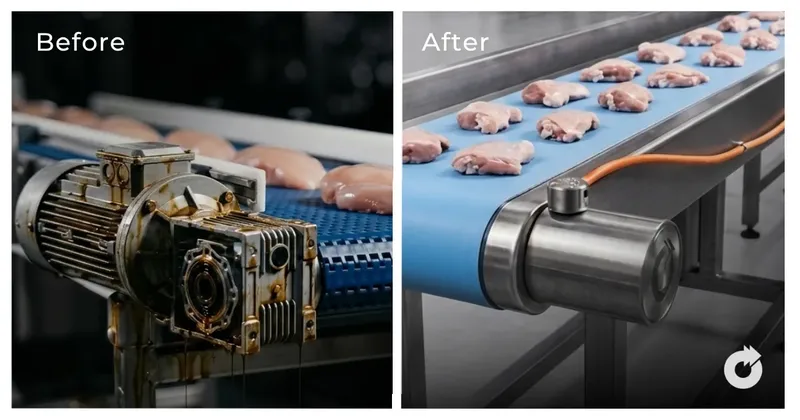
Why AC Gearmotors Fail in Washdown
Most stainless AC gearmotors last one to two years in washdown. Here is the physics behind the failures and what a gearless, oil-free direct drive changes.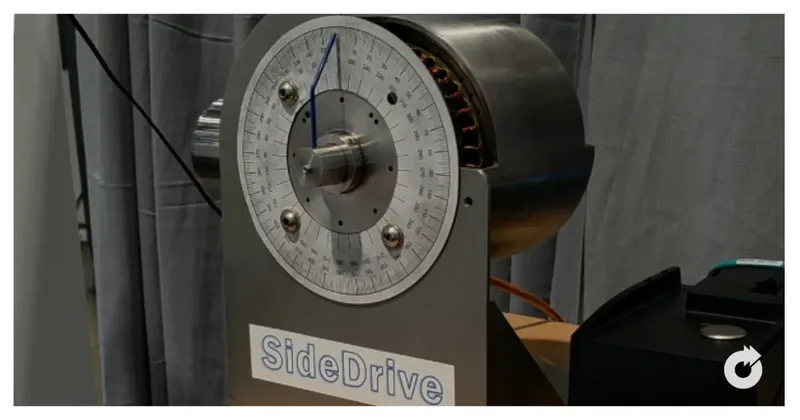
Sensorless Position Control
Food manufacturing inherited the wrong motion architecture. Why direct drive with sensorless control replaces the servo, encoder and gearbox stack.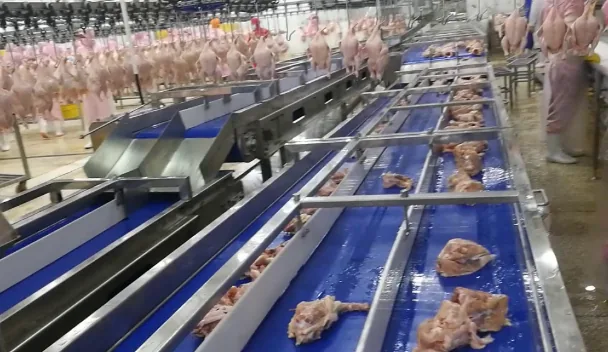
One Motion Reliability
What 990 Units, 42 Plants, and Six Years of Poultry Washdown Taught Us About ReliabilityMotor's That Perform
This demo showcases a One Motion Direct Drive Rotary Motion (DDRM) powered pulley directly driving an Intralox 1500 series belt. By integrating the drive teeth into the rotor itself, the system eliminates traditional mechanical components and delivers precise, responsive motion with extremely low energy consumption.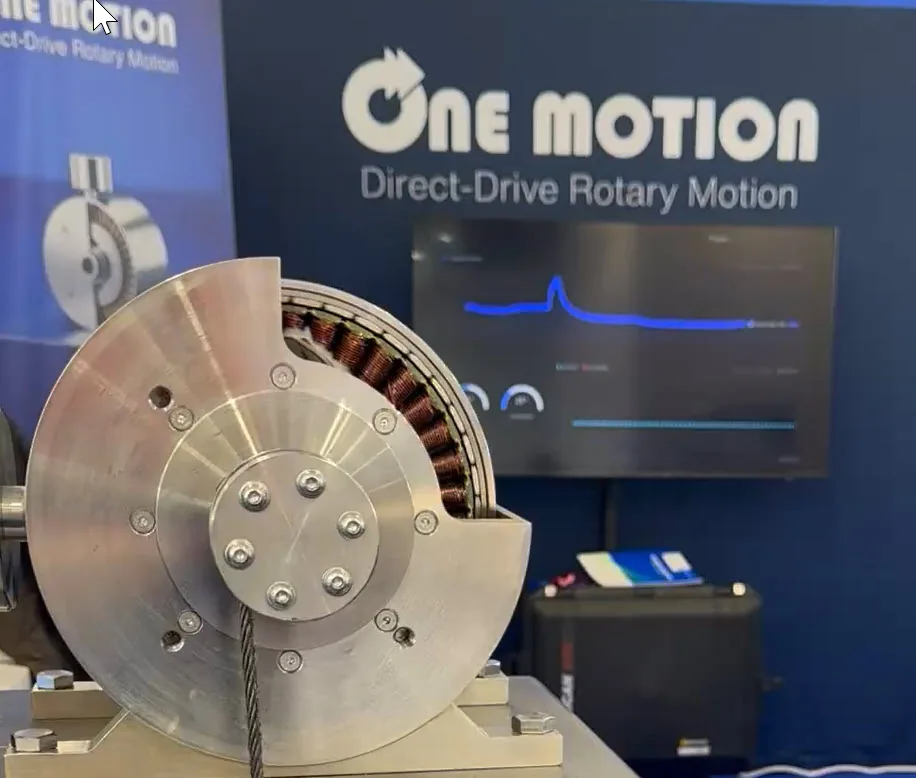
The 8x Energy Truth: Why Direct Drive Rotary Motion Is Replacing Conventional Motors in Food Manufacturing
We have been paying an energy tax on every motor in every plant for over a century. Nobody questioned it because there was no alternative. Now there is.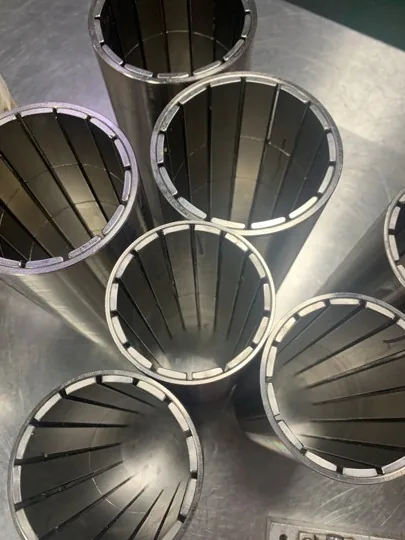
Simple Is the Answer
Why Direct Drive Rotary Motion Delivers Reliability Where Food Is MadeReliability Where It Actually Matters
Simple is the answer. Direct Drive Rotary Motion equals reliability where it counts most, in making food.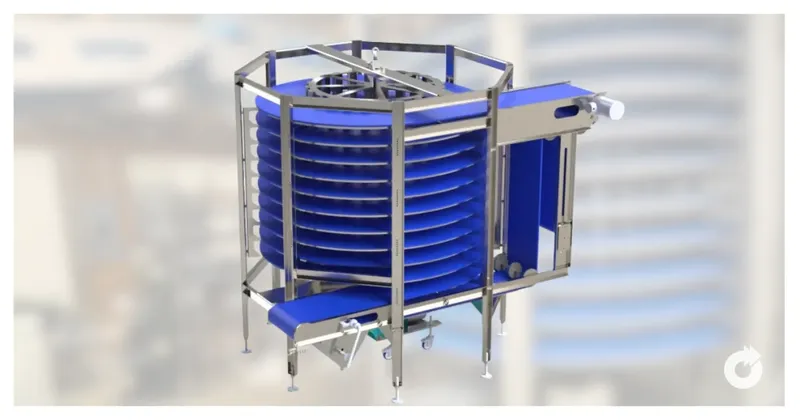
How One Motion® Direct Drive Rotary Motion Transforms Spiral Conveyors
How a spiral conveyor built on independent One Motion DDRM drives gets precise belt control, low energy use, less wear and a compact footprint.DDRM - What is it?
Direct Drive Rotary Motion is the technology powering all One Motion products.SideDrive™, The Direct‑Drive Revolution for Hygienic Conveyors
Your conveyors are trying to talk to you. We know how to listen.Switching from Gearbox Systems to Direct Drive: What You Need to Know
Redefining rotary motion in hygienic food manufacturing is now possible with breakthrough technology that significantly enhances the industry. This innovation cuts power consumption by over 50%, eliminates maintenance needs, and triples reliability. The advancements in this technology promise to elevate operational efficiency and sustainability within the sector.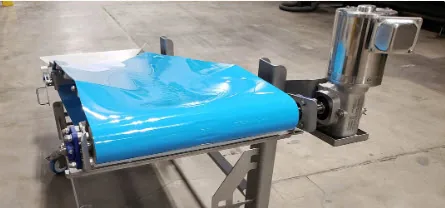
Direct Drive Rotary Technology: The Hygienic Future of RTE Food Manufacturing
Ready-to-eat (RTE) food production demands uncompromising hygiene. Every surface, component, and process must withstand daily washdowns with caustic chemicals and high-pressure water to ensure food safety. In this environment, where annual downtime from equipment failures can exceed 10 weeks, traditional AC induction motors and gearboxes face significant challenges that impact reliability, compliance, and cost.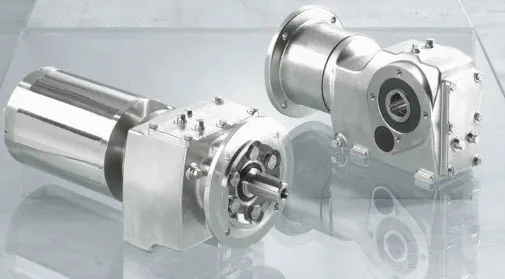
Rethinking Conveyor Motorization in Food Manufacturing: Why One Motion SideDrive Is the Smarter Choice
In food manufacturing, conveyor systems are the arteries of production — moving products from one process to the next with precision and consistency. But behind the scenes, many of these systems rely on outdated motor setups that waste energy and complicate maintenance.The Drum Motor Rebuild Ecosystem
No Need to Rebuild – If You Have the Right TechnologyReliability
Built to Last: Why One Motion Outperforms Traditional Motors and Drum Motors in Sanitary Food EnvironmentsPitch, Gap Variation, and Speed Constraints in Food Packaging Systems
In food manufacturing, packaging speed is not unlimited, it’s governed by physical and process constraints. Understanding these limits is essential for designing efficient systems that balance throughput, control, and product stability.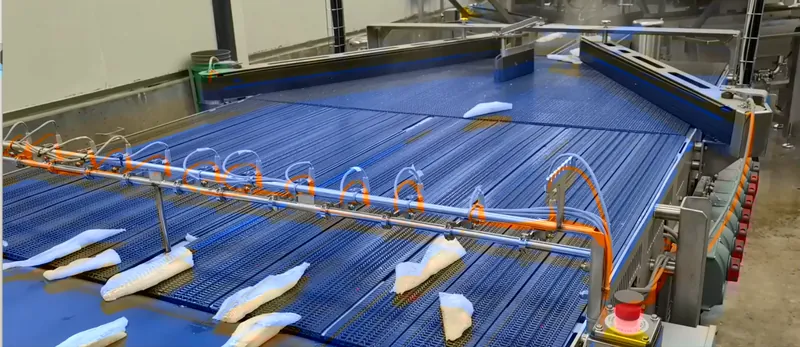
Solving Product Merging Challenges
Why merging product streams is hard in food packaging, from vertical baggers to freezer lanes, and how direct drive belts make compact, on-pitch merges possible.
Revolutionizing Smart Feeding: The Rise of Powered Hubs and Arrays
How Powered Hubs replace servo, gearbox and bearing stacks on cantilevered belts, and how arrays of them make compact, independently controlled smart feeders.
PulleyDrive: Fast-Track Your Design with In-Stock Direct Drive Technology
A simpler path to hygienic direct-drive technology, 10 days or less.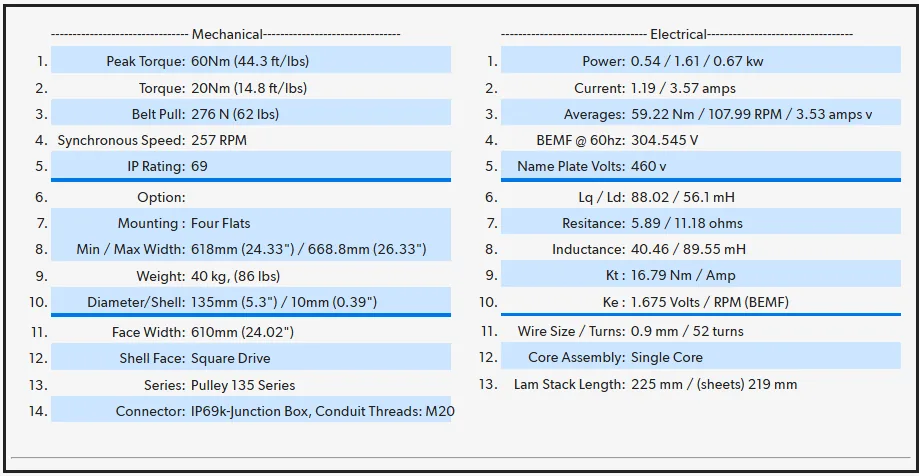
Fine-Tuning One Motion MagDrives with Allen-Bradley Drives: What You Need to Know
Tuning One Motion MagDrives with an Allen-Bradley PowerFlex 525 isn’t just about setup—it’s about protecting performance.One Motion Warranty: Built for Reliability, Backed by Confidence
Every One Motion Direct Drive is engineered for precision, performance, and longevity in the most demanding food-processing environments. Our warranty program reflects that confidence.Direct Drive: The Smarter Way to Power Food Manufacturing
Direct drive isn’t just an upgrade; it’s a paradigm shift.
Streamlining Motion Efficiency: The Case for Direct-Drive Technology
In the world of automation, every millisecond matters. Traditional powertrain systems often waste energy moving their extensive components. Discover how direct-drive technology, specifically One Motion's MagDrives, optimizes efficiency by minimizing unnecessary power consumption, leading to a seamless and reliable operation that focuses on the task at hand.
Have a line to solve?
Tell us about your application. Our engineers will help you find the right motion, whether it’s a drop-in drive or a custom design.
Request a quoteTalk to an engineer
Prefer to talk now? Call (479) 358-1173